Rural Housewife
  • HOME
    • My Story
    • Contact Me
  • BLOG
  • WE LOVE
  • RECIPES
    • Baked Goods
    • Breakfast
    • Chocolate
    • Dinner
    • Gluten Free
    • Granola
    • Make Ahead Meals
    • Mexican Favorites
    • Sugar Free
  • RESOURCES
    • Canning
    • Dehydrating
    • Frugal Living
    • Gardening
    • Meal Planning
    • Old Fashion Living
    • Raising Chickens
    • Small Business Dir. >
      • Submit Your Business
    • PROJECTS >
      • Crafts & Gifts
      • Holidays >
        • Christmas
        • Halloween
        • Mother's Day
        • Valentine's Day
      • Photography
    • Winter Sowing
  • HOME
    • My Story
    • Contact Me
  • BLOG
  • WE LOVE
  • RECIPES
    • Baked Goods
    • Breakfast
    • Chocolate
    • Dinner
    • Gluten Free
    • Granola
    • Make Ahead Meals
    • Mexican Favorites
    • Sugar Free
  • RESOURCES
    • Canning
    • Dehydrating
    • Frugal Living
    • Gardening
    • Meal Planning
    • Old Fashion Living
    • Raising Chickens
    • Small Business Dir. >
      • Submit Your Business
    • PROJECTS >
      • Crafts & Gifts
      • Holidays >
        • Christmas
        • Halloween
        • Mother's Day
        • Valentine's Day
      • Photography
    • Winter Sowing

Blog

Looking to buy a Bible?

10/21/2025

0 Comments

 
Picture
A Warm, In-Depth Guide to Choosing Your First Bible: Comparing NIV, NASB, KJV, NKJV, and NLT
If you’re new to the Bible and feeling a bit overwhelmed by all the translations out there, you’re not alone! With so many options—NIV, NASB, KJV, NKJV, NLT, and more—it’s natural to wonder, “Which one is right for me?” Don’t worry, we’re here to walk you through it with a friendly, in-depth comparison of five popular Bible translations. Whether you’re looking for something easy to read, deeply accurate, or beautifully poetic, this guide will help you find the Bible that feels like home. Let’s dive in! 📖💖

Understanding Bible Translations: A Quick Overview
Before we compare, let’s talk about why there are so many Bible translations. The Bible was originally written in Hebrew, Aramaic, and Greek, so translations aim to bring those ancient texts into modern languages. Translators use two main approaches:
• Word-for-Word (Formal Equivalence): Sticks closely to the original text’s wording and structure. Great for precision but can be less readable.
• Thought-for-Thought (Dynamic Equivalence): Focuses on capturing the meaning in natural, modern language. Easier to read but may interpret more.
• Paraphrase: Puts the Bible into very conversational language, prioritizing flow over literal accuracy.
Each translation we’ll cover falls somewhere on this spectrum, and your choice depends on what you value—accuracy, readability, or a mix of both. Now, let’s meet our five translations!

1. NIV (New International Version)
• What’s It Like? The NIV is like sitting down with a wise, approachable friend who explains deep truths in clear, everyday language. It strikes a balance between accuracy and readability, making it one of the most popular translations worldwide.
• Translation Style: A blend of word-for-word and thought-for-thought, leaning toward dynamic equivalence.
• Who’s It For? Perfect for first-time Bible readers, group studies, or anyone who wants a modern, accessible Bible. It’s great for daily devotions or reading longer passages without getting bogged down.
• Strengths:
• Clear, contemporary language that’s easy to follow.
• Widely used in churches, so it’s great for community settings.
• Available in countless formats—study Bibles, apps, and more.
• Challenges:
• Some scholars feel it sacrifices minor details for readability.
• Not as poetic as older translations like the KJV.
• Sample Verse (John 3:16):
“For God so loved the world that he gave his one and only Son, that whoever believes in him shall not perish but have eternal life.”
• Fun Fact: First published in 1978, the NIV is updated periodically (last in 2011) to keep the language fresh and accurate.
• Best For: New believers, casual readers, or those who want a versatile, middle-of-the-road option.

2. NASB (New American Standard Bible)
• What’s It Like? The NASB is the studious scholar of the group—precise, detailed, and deeply faithful to the original texts. It’s like having a professor guide you through every word.
• Translation Style: Strongly word-for-word, prioritizing accuracy to the Hebrew, Aramaic, and Greek.
• Who’s It For? Ideal for those who love digging into the Bible’s nuances, whether for personal study, preaching, or academic research. It’s a favorite among theologians.
• Strengths:
• One of the most literal translations, staying very close to the original texts.
• Includes detailed footnotes for deeper study.
• Great for word studies or understanding the exact phrasing of Scripture.
• Challenges:
• Formal language can feel stiff or less conversational.
• Not the easiest for casual reading or beginners.
• Sample Verse (John 3:16):
“For God so loved the world, that He gave His only begotten Son, that whoever believes in Him shall not perish, but have eternal life.”
• Fun Fact: The NASB, first published in 1971 and updated in 2020, is often considered the “gold standard” for literal translations.
• Best For: Serious Bible students, pastors, or anyone who wants to get as close as possible to the original texts.

3. KJV (King James Version)
• What’s It Like? The KJV is the grand, poetic classic—like reading a Shakespearean masterpiece. Its majestic language, written in 1611, carries a timeless beauty but uses archaic words like “thee” and “thou.”
• Translation Style: Word-for-word, based on the manuscripts available in the 17th century.
• Who’s It For? Perfect for those who love history, literature, or traditional worship settings. It’s a favorite in churches that value its rich heritage.
• Strengths:
• Stunningly poetic, with a rhythm that’s great for memorization.
• Influenced English literature and culture profoundly.
• Still widely used in traditional denominations.
• Challenges:
• Old English can be hard to understand for modern readers.
• Based on fewer manuscripts than modern translations, so some verses differ slightly from newer findings.
• Sample Verse (John 3:16):
“For God so loved the world, that he gave his only begotten Son, that whosoever believeth in him should not perish, but have everlasting life.”
• Fun Fact: Commissioned by King James I, it’s one of the most influential books in the English language, shaping phrases we still use today.
• Best For: Lovers of classic literature, traditionalists, or those who enjoy its poetic cadence.

4. NKJV (New King James Version)
• What’s It Like? The NKJV is like the KJV’s modern makeover. It keeps the poetic beauty and reverence but updates the language to remove archaic terms, making it smoother for today’s readers.
• Translation Style: Word-for-word, like the KJV, but with updated English and access to more recent manuscripts.
• Who’s It For? Great for those who love the KJV’s style but want something easier to read. It’s popular in churches that value tradition but embrace clarity.
• Strengths:
• Retains the KJV’s elegance while being more accessible.
• Faithful to the original texts with modern scholarship.
• Excellent for memorization due to its lyrical flow.
• Challenges:
• Still slightly formal compared to the NIV or NLT.
• May not feel “modern” enough for some readers.
• Sample Verse (John 3:16):
“For God so loved the world that He gave His only begotten Son, that whoever believes in Him should not perish but have everlasting life.”
• Fun Fact: Published in 1982, the NKJV bridges the gap between the KJV’s legacy and modern readability.
• Best For: Readers who want a blend of tradition and clarity, or those transitioning from the KJV.

5. NLT (New Living Translation)
• What’s It Like? The NLT is like reading a captivating storybook—it’s warm, conversational, and flows like a modern novel. It prioritizes meaning over literal wording, making it incredibly engaging.
• Translation Style: Thought-for-thought, leaning toward dynamic equivalence.
• Who’s It For? Perfect for first-time readers, kids, or anyone who wants to read the Bible like a story. It’s great for devouring large sections in one sitting.
• Strengths:
• Super easy to read, with natural, everyday language.
• Brings the Bible to life with vivid, relatable phrasing.
• Awesome for new believers or casual reading.
• Challenges:
• Less literal, so it may interpret some passages more freely.
• Not ideal for in-depth word studies due to its paraphrased style.
• Sample Verse (John 3:16):
“For this is how God loved the world: He gave his one and only Son, so that everyone who believes in him will not perish but have eternal life.”
• Fun Fact: First published in 1996 and updated in 2015, the NLT is based on the work of Kenneth Taylor, who originally paraphrased the Bible for his kids.
• Best For: Beginners, young readers, or those who want an engaging, story-like experience.

How to Choose the Right Bible for You
Now that you know the vibe of each translation, here are some tips to pick the one that’s right for you:
• If you’re brand-new to the Bible: Start with the NLT or NIV. Their modern, approachable language makes it easy to jump in without feeling overwhelmed.
• If you love deep study: Go for the NASB. Its precision and footnotes are perfect for diving into the details.
• If you’re drawn to tradition or poetry: Try the KJV for its classic beauty or the NKJV for a more readable take on the same style.
• If you’re unsure: The NIV is a safe, versatile choice that works for most people, from beginners to seasoned readers.
Pro Tip: Many Bible apps, like YouVersion or Bible Gateway, let you read these translations for free, so you can test them out before buying. You can also find study Bibles in these translations, which include notes, maps, and explanations to enrich your reading.

Where to Start Your Journey
Buying your first Bible is a special moment—it’s like opening a door to a lifelong adventure. Here are a few ways to get started:
• Visit a Christian bookstore or browse online retailers like Amazon or Christianbook.com.
• Consider a study Bible in your chosen translation for extra context and insights.
• Join a Bible study group at a local church to explore with others.
• Download a Bible app to sample translations and find one that resonates.

Final Thoughts
Each of these translations—NIV, NASB, KJV, NKJV, and NLT—offers a unique way to connect with God’s Word. There’s no “wrong” choice; it’s about finding the one that speaks to your heart. Whether you’re drawn to the NLT’s storytelling vibe, the NASB’s precision, or the KJV’s timeless poetry, your Bible will be a faithful companion on your spiritual journey.
Which translation are you leaning toward? Drop a comment below and let us know what excites you about starting this adventure! 🙌💖

0 Comments

Starting My Pressure Canning Journey

2/24/2023

0 Comments

 
Recently I bought the Instant Pot Max - I have been saving for it for quite some time. I am over-the-moon excited about it! About a week or so ago I decided to give it it's maiden-voyage and can some pinto beans. You can only can 4 pints at a time. But you know what? That's ok with me! Especially since I am just starting out on this pressure canning journey. 1/4 cup of rinsed (but dry) pinto beans, 1/2 tsp garlic salt, and water. 75 mins of pressure canning, and then natural release which takes about an hour. All in all I was ecstatic with the results! So right before bed I decided "Hey, I can put in 4 more pints!" And that's exactly what I did. Then a couple of days later I tried navy beans - which I did 3/4 cup of rinsed (but dry) beans, 1/2 tsp garlic salt, and water. 75 mins of pressure canning and Voila! 4 more pints of beans for the pantry shelves.

To say I am hooked is an understatement. Yesterday I decided I was going to take the leap and do 'raw pack pork'. That was a little more labor intensive since it was a bone-in pork shoulder that I got on sale and there was a lot of fat to remove. I stuffed those little pint jars as much as I could (leaving an inch head space), wiped the rims with vinegar and put on the lids. Set the timer and away they went. About an hour later I came up from the basement (I was working at the time) and noticed my IP Max flashing ALT at me - I was devastated! Did it get to temp? When did it error out? Aaagghh!!

I gathered my wits and researched what to do. Once I reset the canner I found that you can can cooked meat at the same temp & time. So that's what I did. I double checked everything and started over with the pint jars I had in their already. This time I came upstairs every half hour to check it's progress to make sure I didn't ALT again. And thankfully it went through it's entire process and natural released at the end. All four pints sealed and were ready for their resting time.

To say pressure canning is stressful is truthful. Yeah, I know I am "cheating" but that's what I can handle at this moment in life and I am ok with that. I will just keep pluggin along 4 pints at a time. :)
0 Comments
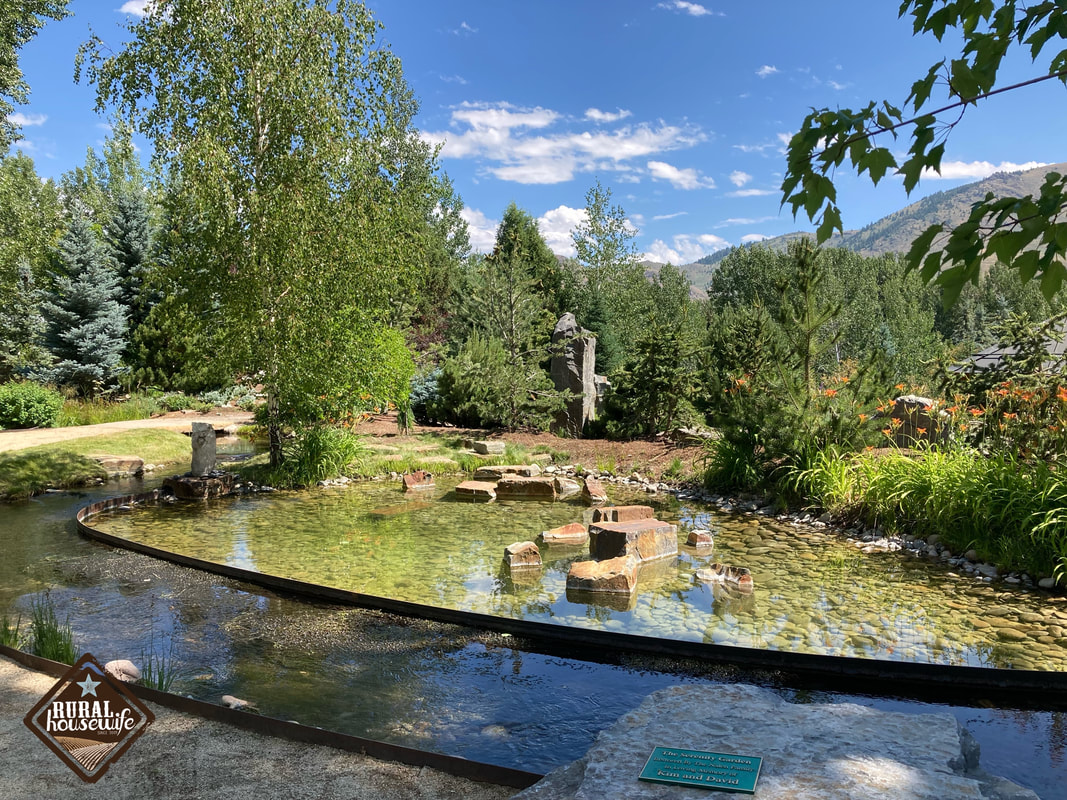
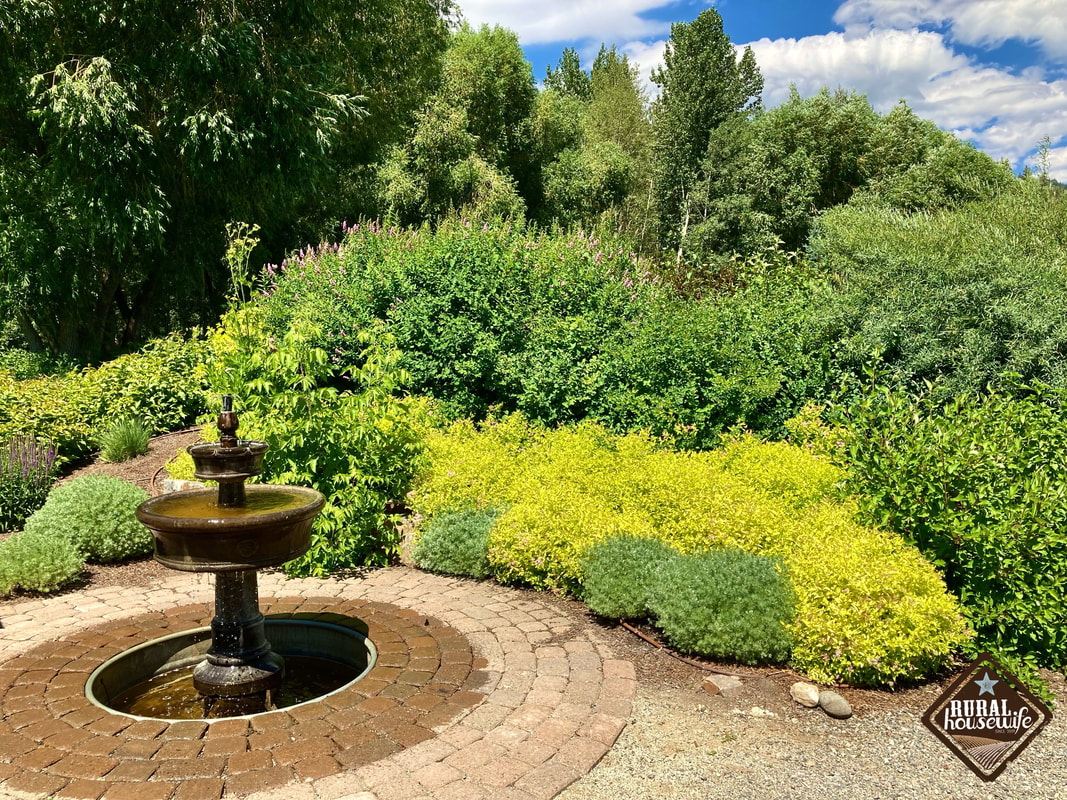
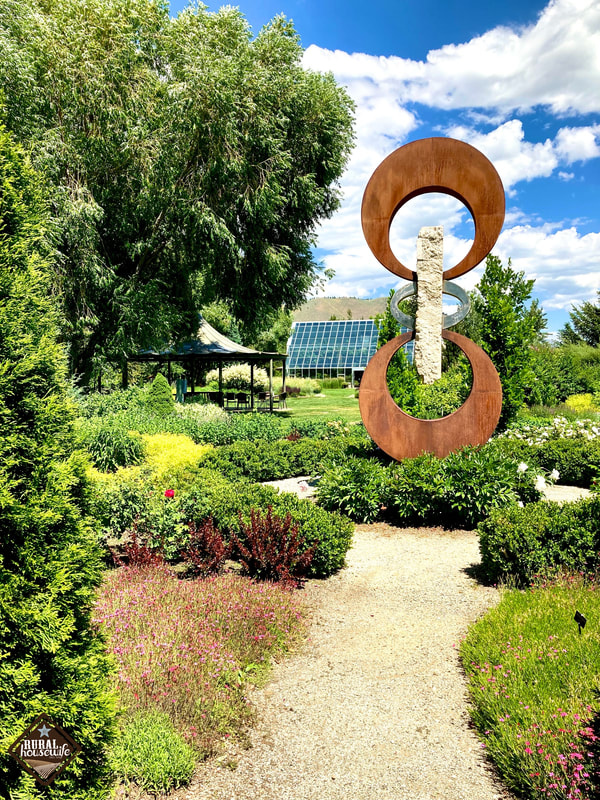
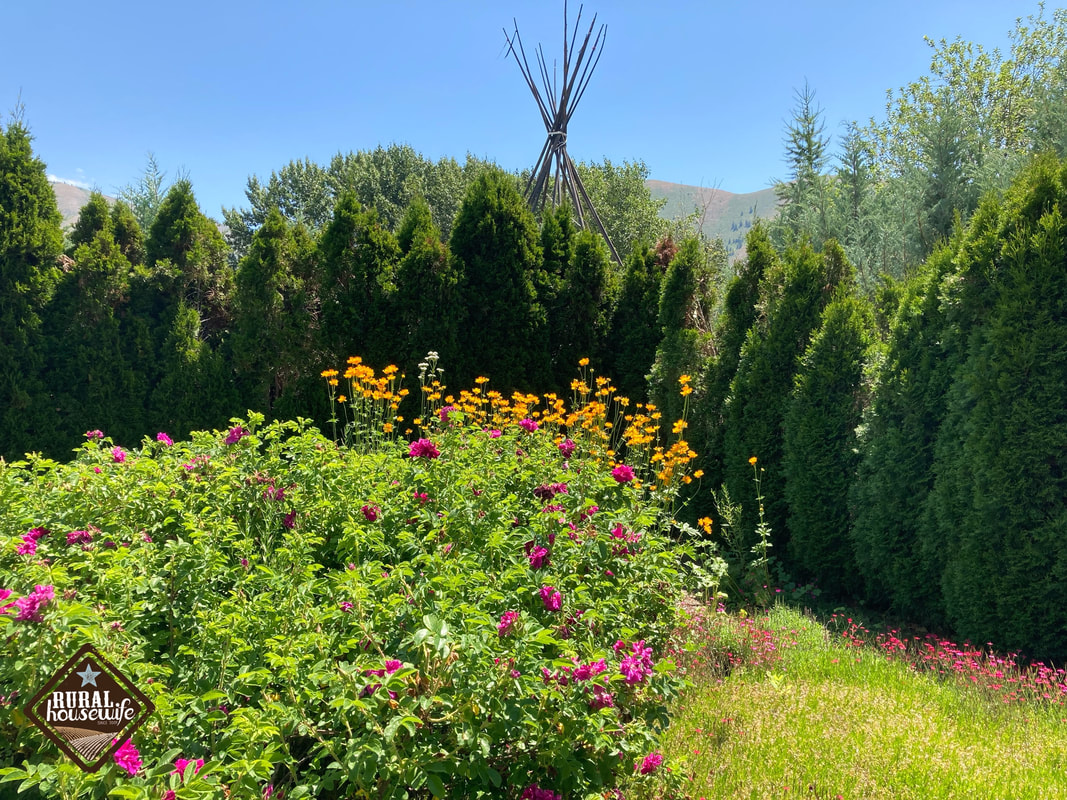
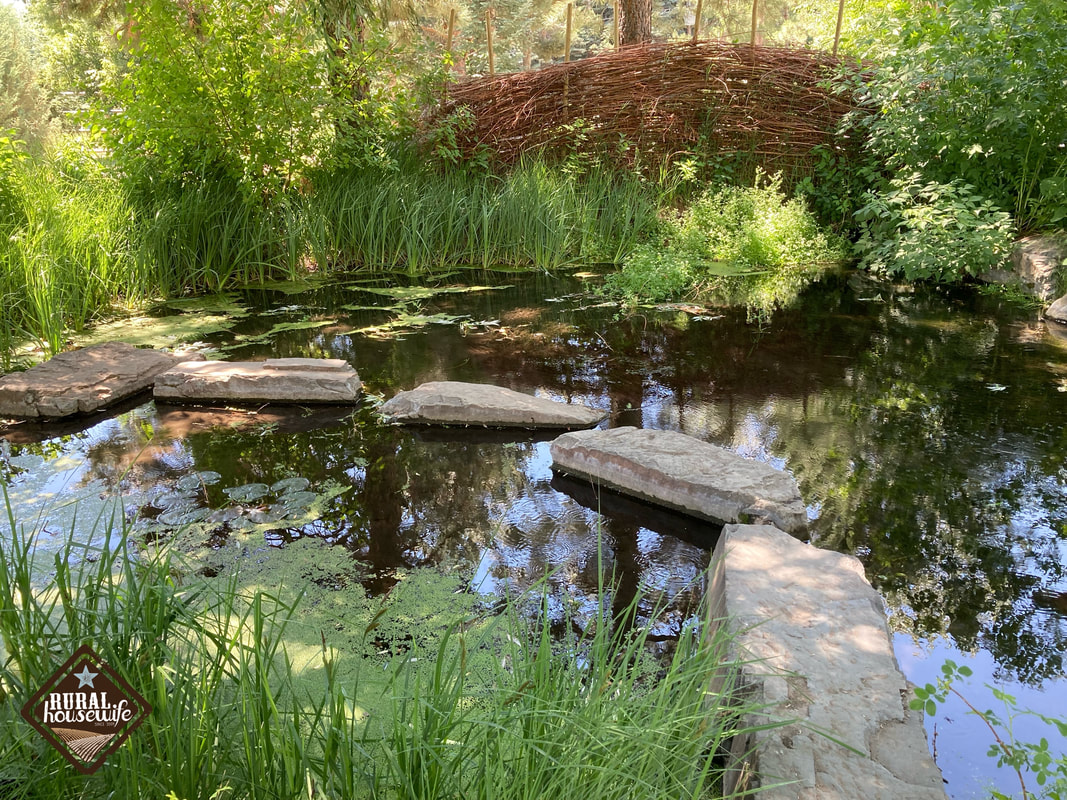
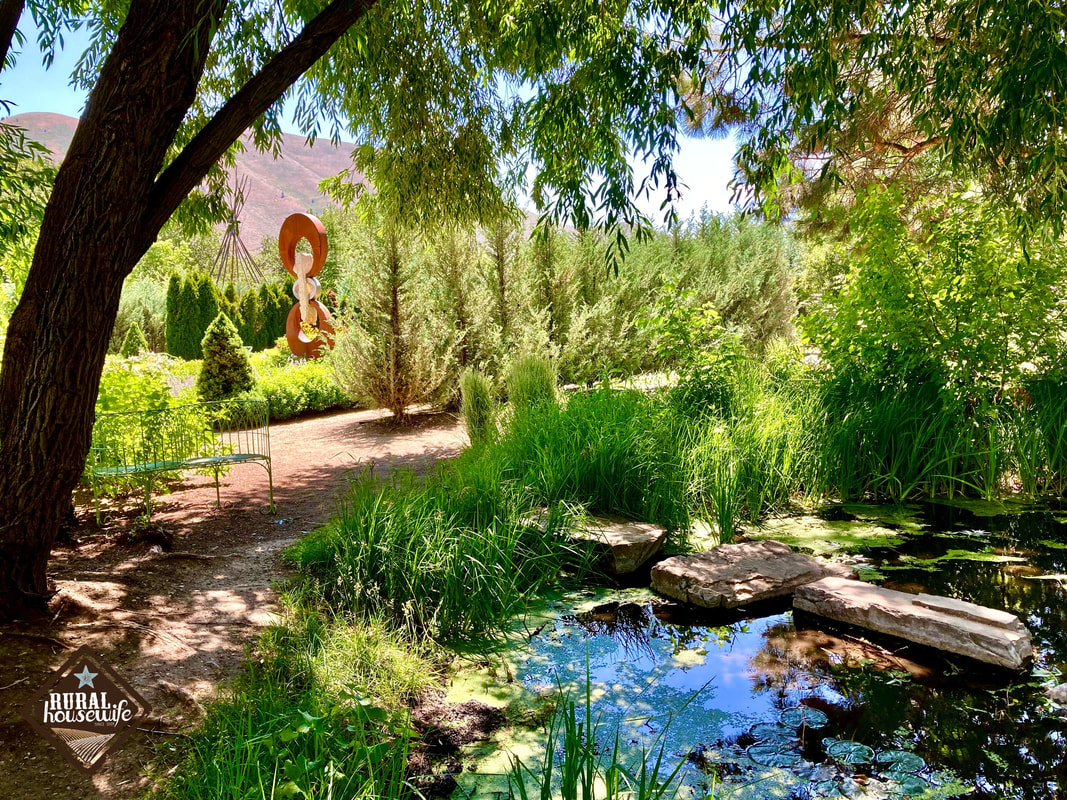
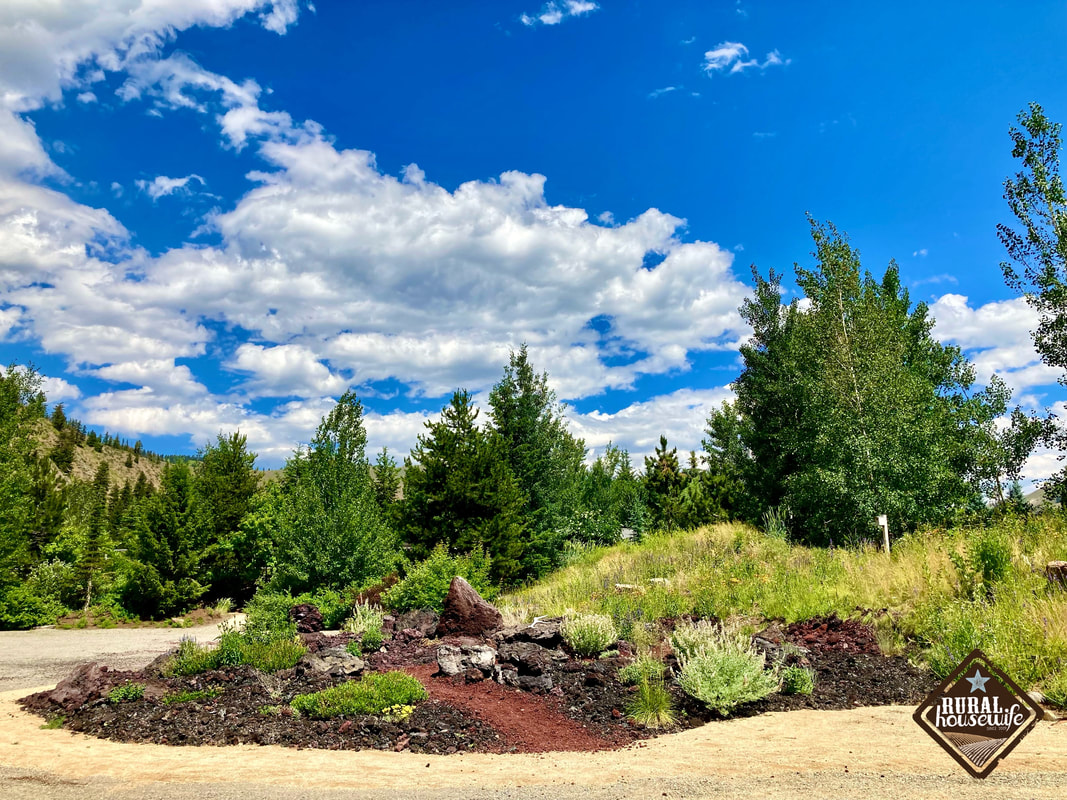
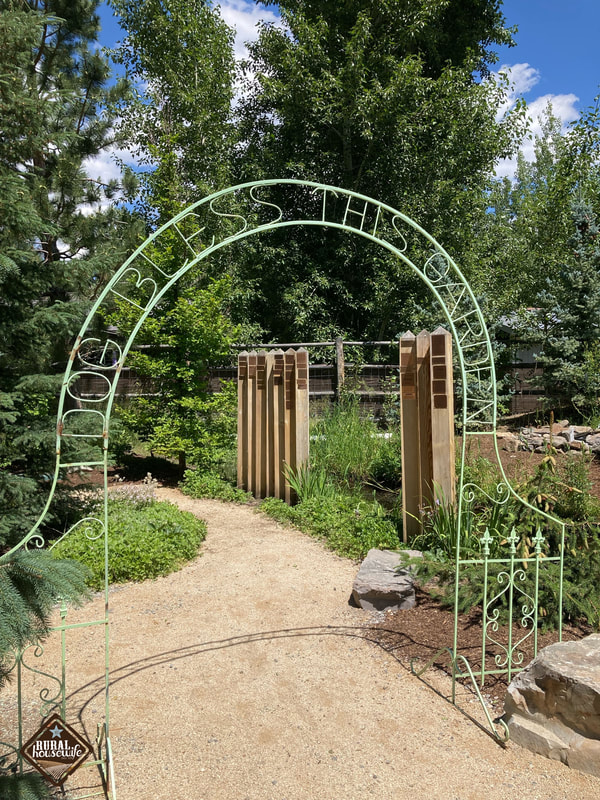
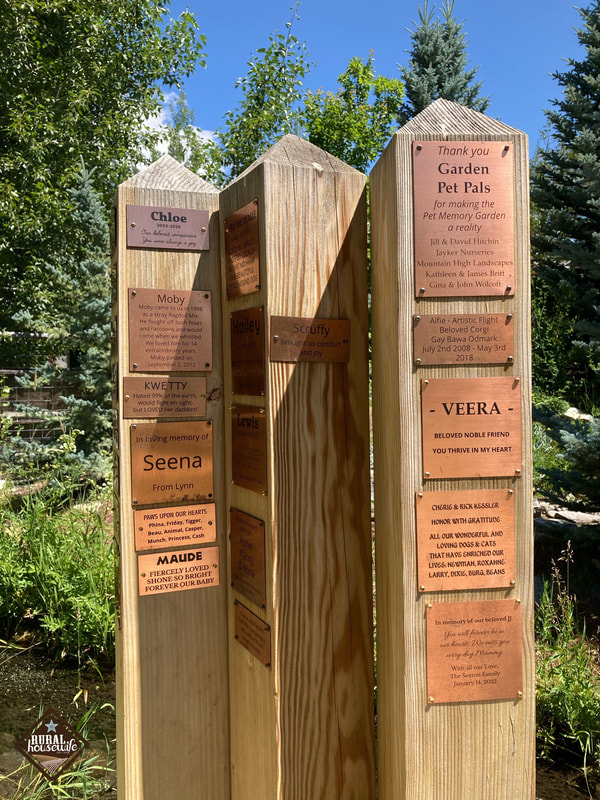
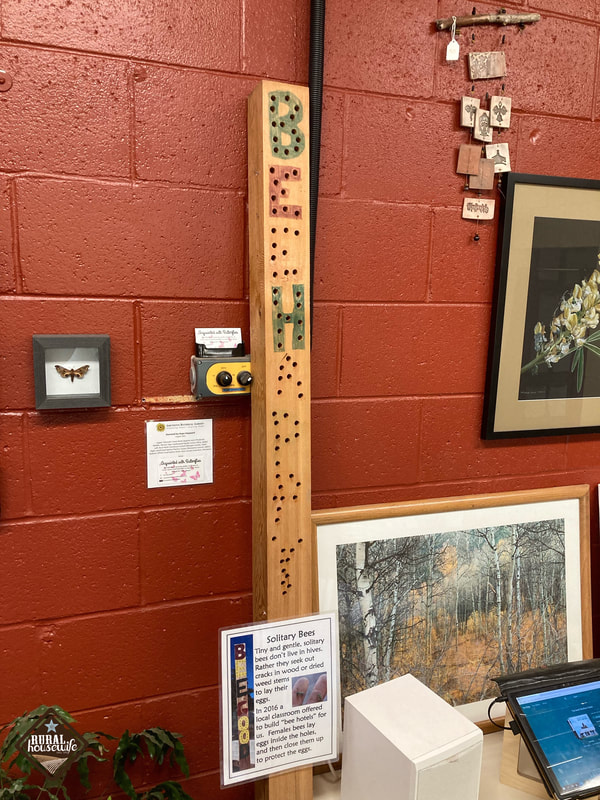
Sawtooth Botanical Gardens

7/19/2022

2 Comments

 
2 Comments

DIY Rustic Wood End Tables

3/30/2018

0 Comments

 
Picture
Last year we bought our first house. It is a bit smaller then the house we were renting, so some of our furniture didn't quite fit. So, I use that as a challenge to build our own. And boy have I been having so much fun getting back into using the power tools! :)

One of the projects I have recently been working on are end tables for our couch. I cruised Pinterest for ideas and found some table ideas I could use to build to fit our needs. I found one design that was very simple, but they were selling them for $160 - Holy Cow! That is totally out of our price range!

I drew up a plan, went to the local lumber yard (always support local businesses if you can), purchased my lumber and then took it home to get started. Luckily my husband is pretty on board when it comes to my crazy ideas. And, of course I am doing this in winter, so most of the project has been inside. And then having to wait for warm enough days to stain, seal, and poly.
Drawing out my plans before getting the wood and cutting.
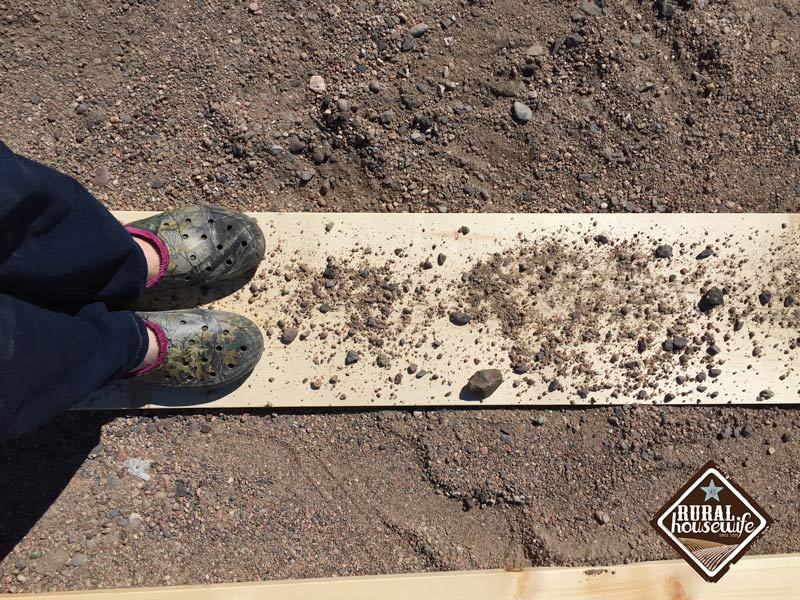
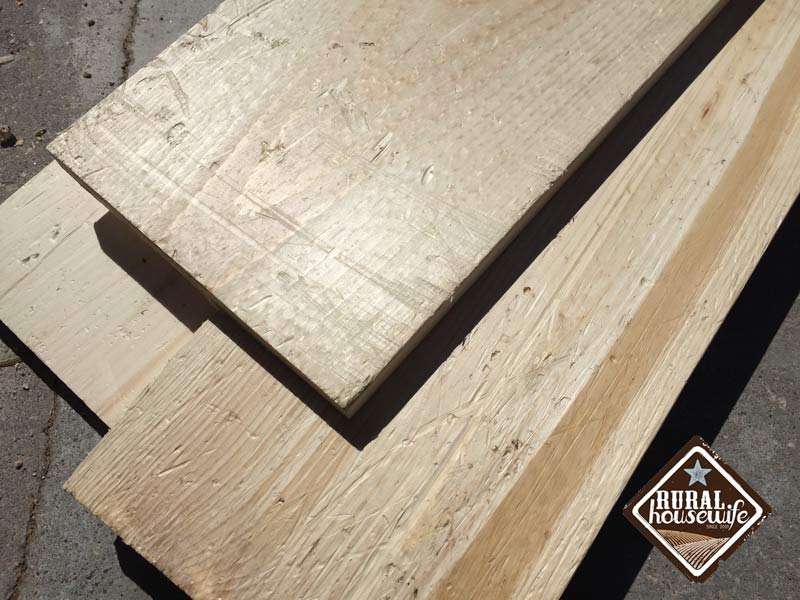
Distressing the wood. That was the funnest part! We slid it up and down the gravel driveway.
After beating it into submission. Can't wait to see how this comes out once stained.
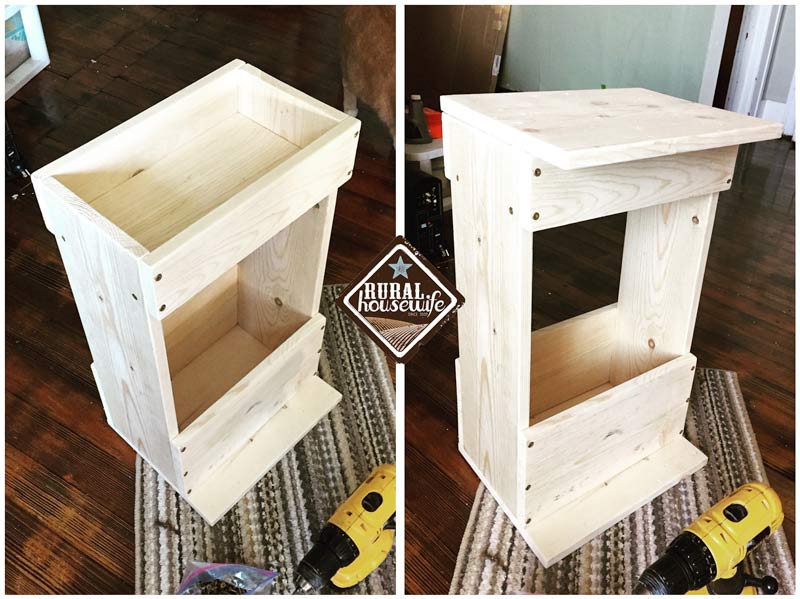
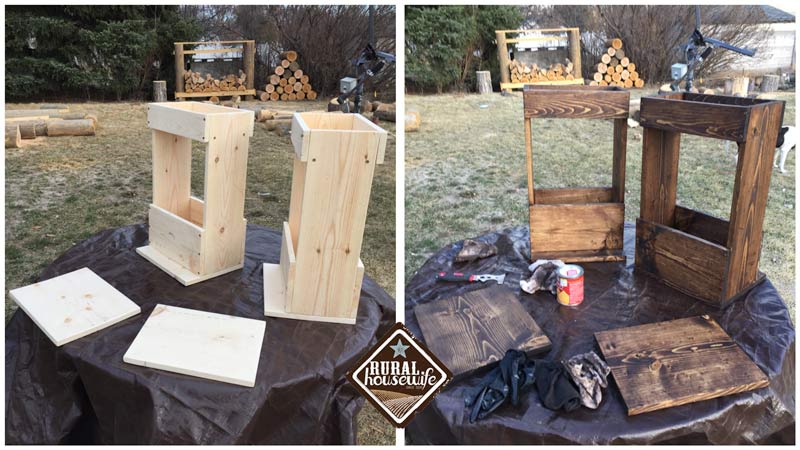
Finished putting the pieces together. I build two. So the one on the left is showing the box top, and the one on the right is showing it with the lid in place.
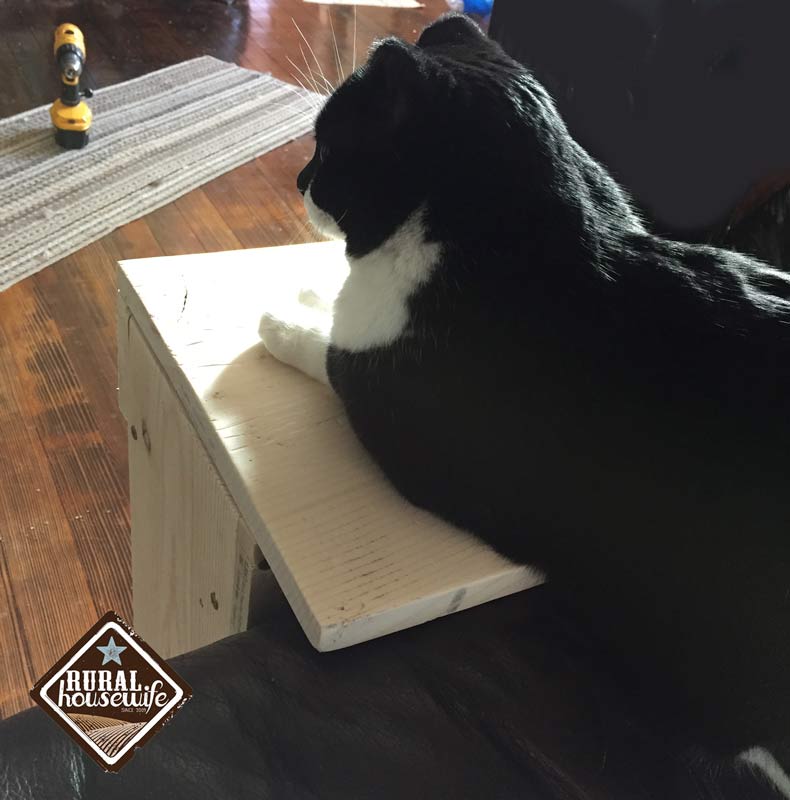
The kitty testing out how sturdy it is before we stain it.
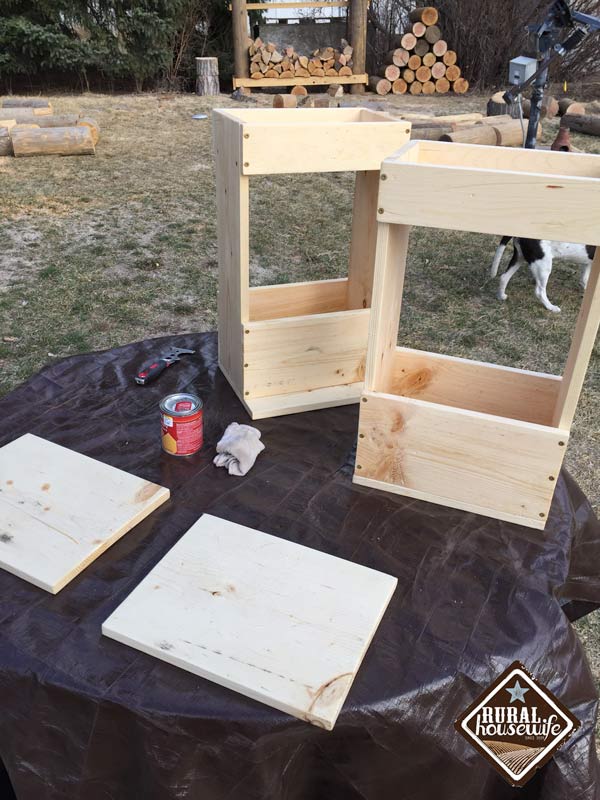
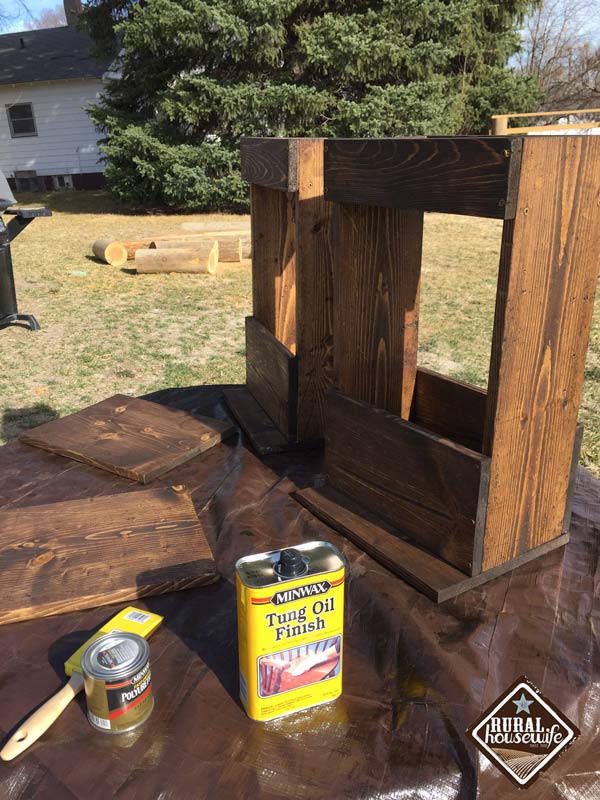
Used a pre-conditioner for the pine (it prepares the wood so you don't get a blotchy stain finish) - Don't skip this step.
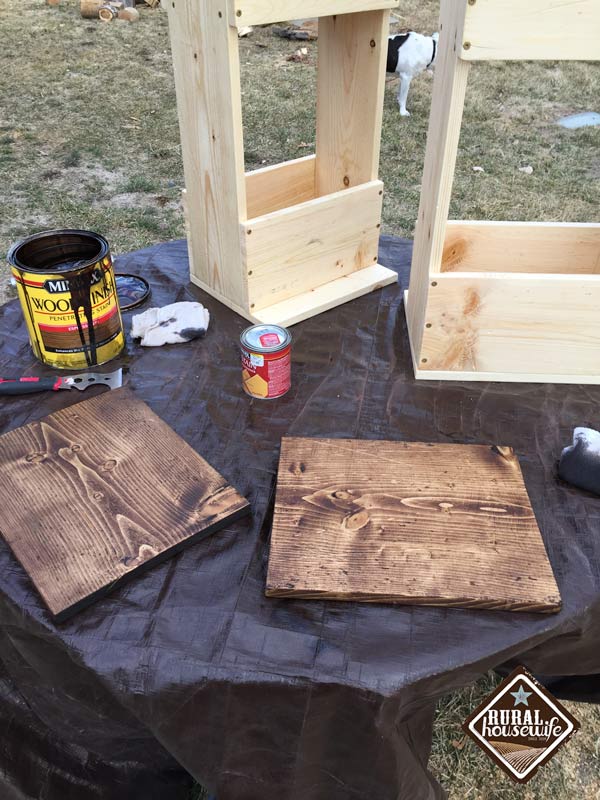
Used the stain we used for the hardwood floors. Minwax Espresso.
Sealed the pieces with Minwax Tung Oil Finish. Two coats, hand rubbed.
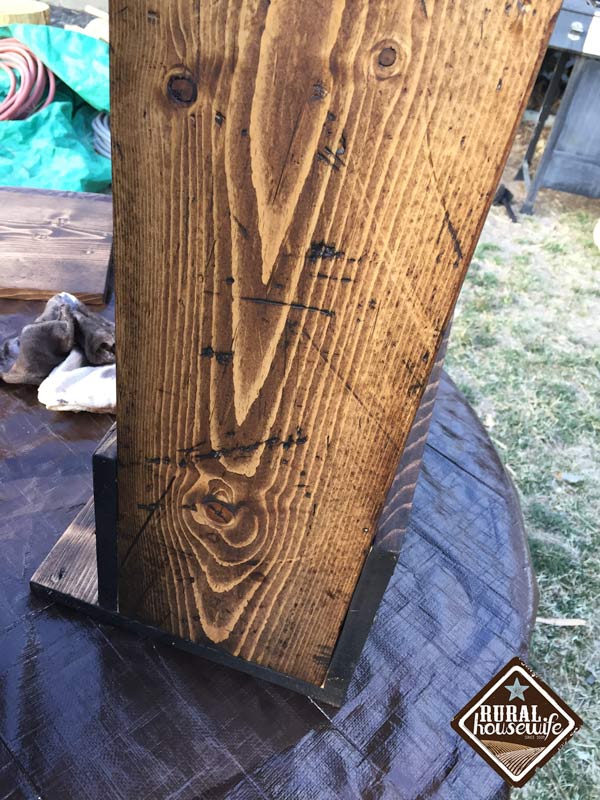
Look at those marks! I am so glad we distressed the wood before building them.
Look at that beautiful grain! Just gorgeous!
Download Plans
0 Comments
<<Previous
    Picture
    Picture
    Explore the New Mountain Rose Journal & Catalog

    Picture

    Categories

    All
    365 Days Of Thanks
    Adventures
    Appetizers / Side Dishes
    Baked Goods
    Being A Wife
    Bible Study
    Bread
    Breakfast
    Budget Fun
    Canning
    Chocolate
    Chocolate Mondays
    Christmas
    Cookies
    Craft Nights
    Crafts
    Dairy Free
    Dehydrator
    Dinner
    D I Y
    E-BOOKS
    Eggs
    Experiments
    Farm Girl
    Freeze Dried
    Furniture
    Gift Ideas
    Gluten Free
    Green Tomatoes
    Halloween
    Handmade
    Herbal Remedies
    Homemade
    Ice Cream
    InstantPot Recipes
    Leather
    Low Sodium
    Make Ahead Meals
    Meals In A Jar
    Mexican Favorites
    Mothers Day
    Mug Recipes
    My Attempt At Gardening
    My Attempt At Sewing
    My Faith
    My Life
    Natural Beauty
    Our Town
    Painting
    Photography
    PRINTABLES
    Pumpkin
    Quick Fixin's
    Recipe
    Recycle
    Rice Cooker Recipes
    Slow Cooker Fridays
    Snacks
    Soup
    Sourdough Discard
    Spice Mixes
    Sugar Free
    Thanksgiving
    Tutorials
    Using Food Storage
    Valentines
    Vegan
    Videos
    Wheat
    Wood Projects


    Support this Site
    Shop with any of the companies below to support this site! Simply click on their image to start shopping—it won't cost you a thing.
Picture
This is a great resource page for gardeners that are just beginning and those that have been doing it a long time.
Picture
On the go a lot? Don't have time to always make a wholesome dinner for your family? Check out these recipes to get you ahead of the game.
Picture
How to's, ideas, inspiration, books, and so much more for learning how to can and preserve your food.
Copyright 2009 - 2025 Rural Housewife™ | Powered by The New KJV
SUPPORT THIS SITE: Shop with any of the companies below to support this site! Simply click on their image to start shopping—it won't cost you a thing.
Picture
Picture
Picture
Picture
Picture
Picture
Picture
Picture
Picture
Picture