Yarrow: The Healing Magic of Yarrow – Benefits, Growing, Harvesting, and Uses Yarrow (Achillea millefolium), with its feathery leaves and clusters of delicate flowers, is a resilient and revered herb known as the “warrior’s herb” due to its historical use in wound healing. This perennial plant, named after the mythical hero Achilles, has been a staple in traditional medicine for centuries, offering a range of benefits from stopping bleeding to soothing digestive woes. Beyond its medicinal prowess, yarrow is a pollinator magnet and a versatile addition to gardens and kitchens. In this post, we’ll explore why yarrow deserves a spot in your herbal repertoire, how to grow and harvest it, and creative ways to use it medicinally and beyond. The Benefits of Yarrow Yarrow is packed with bioactive compounds like flavonoids, volatile oils, and sesquiterpene lactones, contributing to its therapeutic and practical uses. Here are its key benefits:
How to Grow Yarrow Yarrow is a hardy perennial that thrives in USDA hardiness zones 3–9, making it easy to grow in various climates. It’s low-maintenance and drought-tolerant, perfect for beginner gardeners. Here’s how to cultivate it:
How to Harvest Yarrow Harvesting yarrow at the right time ensures maximum potency and flavor. Here’s how to do it sustainably:
Medicinal Uses of Yarrow Yarrow can be prepared in various forms for medicinal purposes. Always consult a healthcare provider before use, especially if pregnant, breastfeeding, or on medications, as yarrow may interact with blood thinners or sedatives. Yarrow Tea
Recipes and Other Uses Yarrow’s slightly bitter, aromatic flavor can enhance culinary creations, and its versatility extends to practical applications. Here are some ideas: Yarrow-Infused Honey
Precautions and Considerations Yarrow is generally safe but requires caution:
0 Comments
Mullein: The Healing Power of Mullein – Benefits, Growing, Harvesting, and Uses Mullein (Verbascum thapsus), often considered a humble roadside weed, is a powerhouse of medicinal and practical uses that has been cherished for centuries in traditional herbal medicine. With its soft, fuzzy leaves and tall spikes of bright yellow flowers, this biennial plant is not only visually striking but also a versatile ally for natural wellness. From soothing respiratory issues to promoting skin health, mullein offers a range of benefits. In this post, we’ll explore why mullein deserves a place in your garden and apothecary, how to grow and harvest it, and creative ways to use it medicinally and beyond. The Benefits of Mullein Mullein is packed with bioactive compounds like flavonoids, saponins, mucilage, and iridoid glycosides, which contribute to its therapeutic properties. Here are some of its most celebrated benefits:
Mullein is a hardy, drought-tolerant biennial that thrives in USDA hardiness zones 3–9. It’s easy to grow, even in poor, rocky, or sandy soils, making it ideal for beginner gardeners. Here’s how to get started:
Harvesting mullein at the right time ensures maximum potency. Here’s how to do it sustainably:
Mullein can be prepared in various forms for medicinal use. Always consult a healthcare provider before using mullein, especially if pregnant, breastfeeding, or on medications, as it may interact with certain drugs.
Beyond medicinal applications, mullein can be used creatively in recipes and practical ways:
While mullein is generally safe, there are a few precautions to keep in mind:
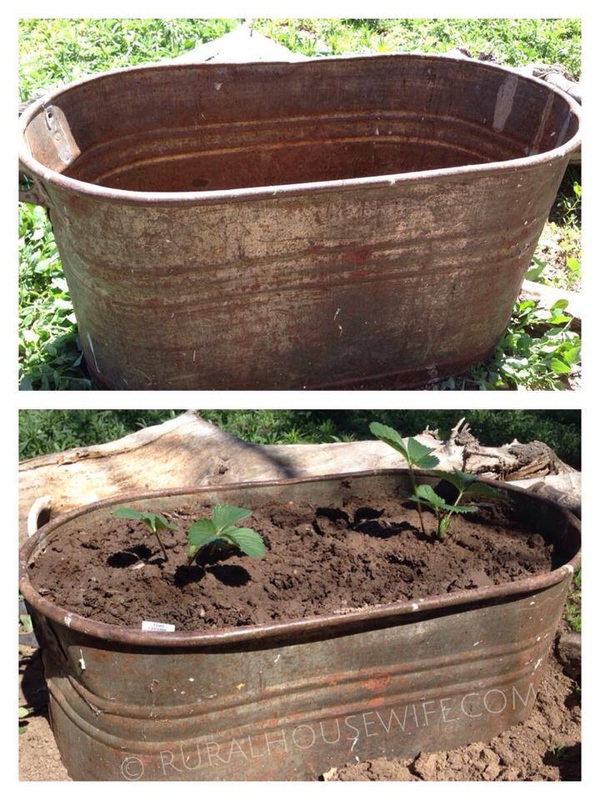
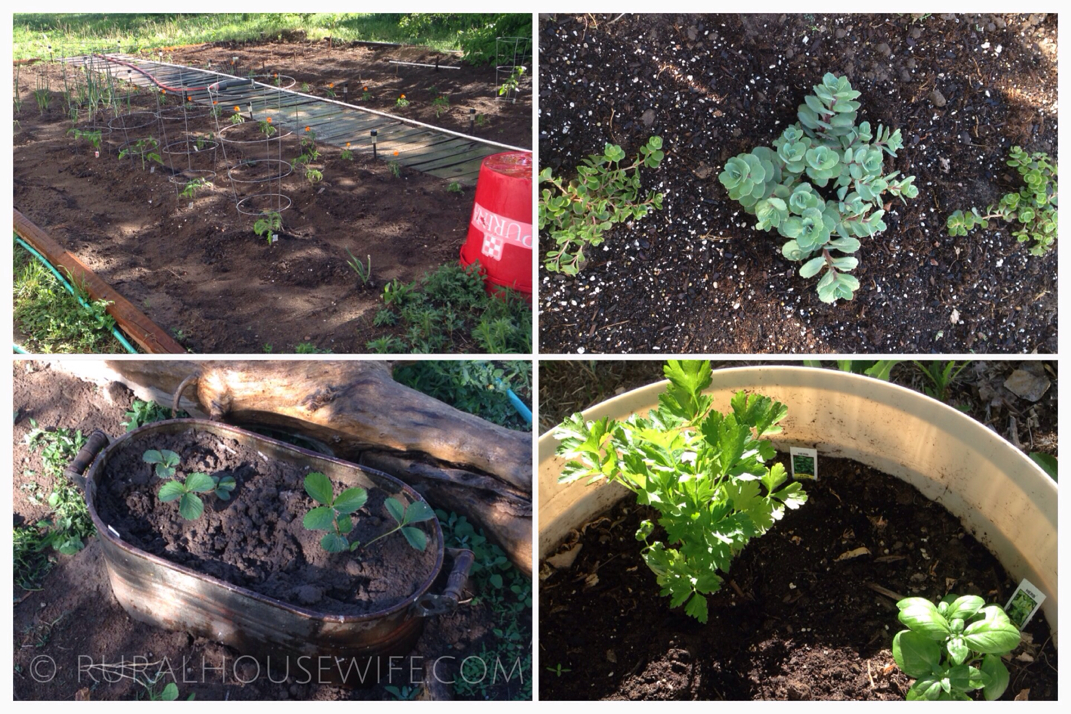
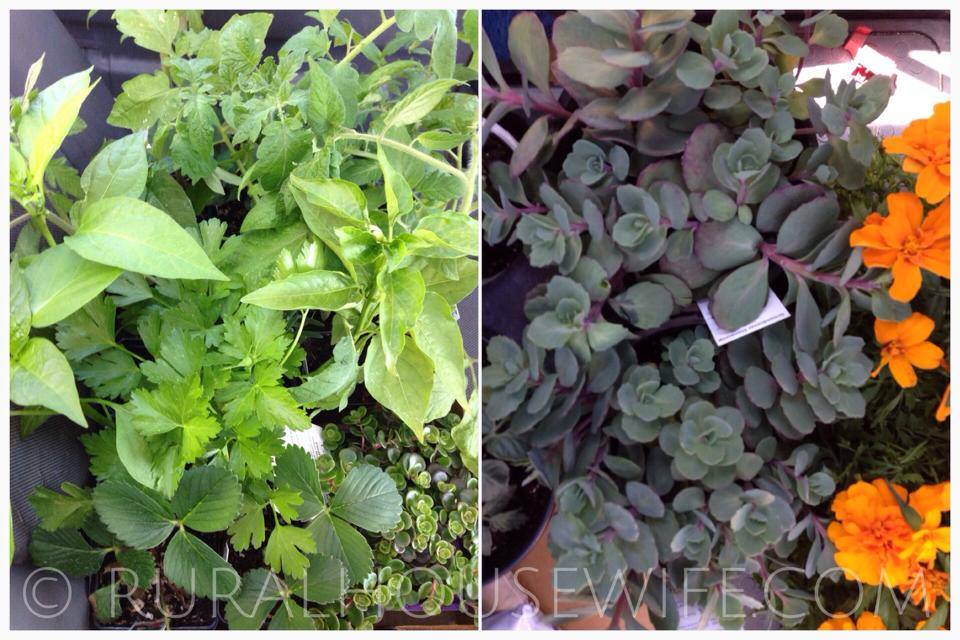
So far everyone is liking their new homes. The seeds on the other half of the garden have not surfaced yet, but I still have hope that they will soon. Top left is the large garden, that has okra seeds, cayenne pepper seeds, Swiss chard seeds, poblano pepper seeds, white and purple bunching onions, black pearl pepper seedling, Sioux tomatoes, cherry tomatoes, concho peppers, tri-color peppers, and a few more tomato and pepper plants I can't remember the names for. Good thing I kept all their little name plates with them :). The top right are the new succulents. I am very excited about these. I am told that these grow as a blanket plant and also flower. I can't wait to see how big they get!! The bottom left is the new strawberry bucket. I got the rusty bucket from my friend Carrie, and as soon as I saw I I KNEW that it would be perfect for my strawberry plants. I hope they enjoy their new home. I worked very hard making sure that the soil is loose, slightly sandy, full of nutrients, and I even shredded a couple of our newspapers and put that in as well. The last picture is our parsley and basil plants, they too are very happy about their new home. When I bought them the other day they were happy and perky, then I brought then home and they started to get sad. As soon as I planted them they perked right up and have been reaching for the sky ever since. I have one space left in the large garden yet to plant, haven't decided what to put there yet. In the back of the yard is our smaller garden which we use for a pumpkin and watermelon patch. Still need to plant those. I would like to also plant sunflowers, corn, and peas/beans along two of the edges of the pumpkin/watermelon patch. |
Categories
All
Support this Site
Shop with any of the companies below to support this site! Simply click on their image to start shopping—it won't cost you a thing. |
|
This is a great resource page for gardeners that are just beginning and those that have been doing it a long time.
|
On the go a lot? Don't have time to always make a wholesome dinner for your family? Check out these recipes to get you ahead of the game.
|
How to's, ideas, inspiration, books, and so much more for learning how to can and preserve your food.
|